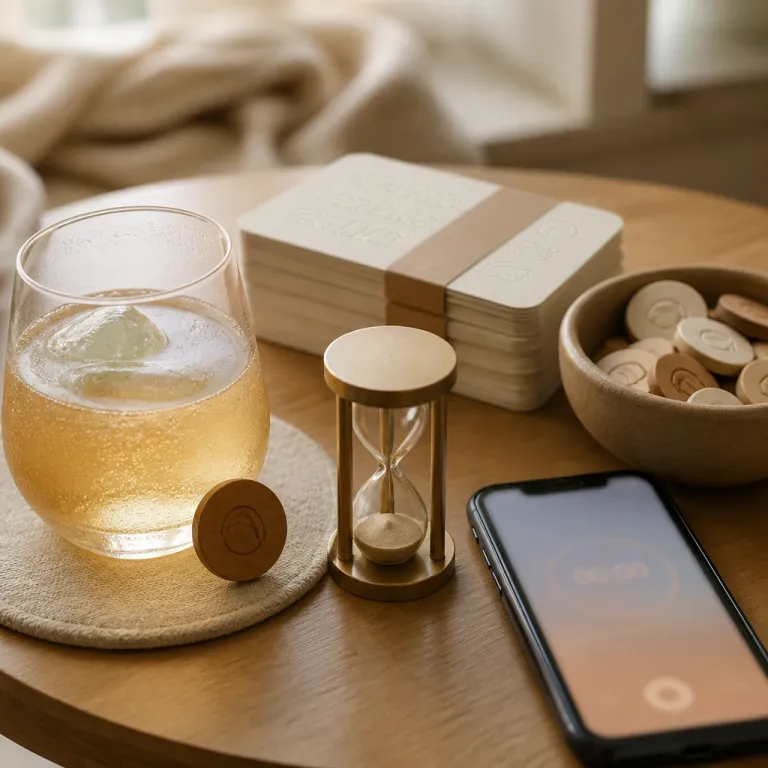
Why virtual happy hour games matter for remote work culture
Remote work reshapes how every team connects, collaborates, and feels happy. When people lose informal chats around coffee, a well designed virtual happy hour becomes a vital social ritual that protects trust and psychological safety. Thoughtful online team games give each team member a low pressure way to play, laugh, and share stories beyond daily work.
In distributed teams, a recurring virtual social event is not just fun, it is a strategic team building lever that shapes how colleagues handle conflict and feedback during the rest of the week. A carefully chosen game or a short series of activities can turn a tired video call into a space where a great team rebuilds energy, surfaces concerns, and notices who might be struggling in silence. When leaders treat every virtual gathering as a culture design moment, people feel that their time is respected and that the format serves real human needs.
Many managers still ask whether an online happy hour can ever match in person gatherings. The answer depends on how intentionally you use virtual happy hour ideas, how inclusive your list of team building activities is, and how clearly you set expectations about time and boundaries. When people know that each activity will last a predictable time and that the games respect different personalities, they are more likely to join and will see these ideas as part of serious culture work rather than a forced game.
Design principles for engaging virtual happy hour games
Strong virtual happy hour games start with clear goals, not random fun. Decide whether your next online social event should help a new group of team members bond, reward a great team after a tough sprint, or reconnect a scattered group that rarely overlaps in time zones. Once the goal is explicit, you can pick each icebreaker, storytelling game, or quick quiz that best supports that outcome.
Good design also respects constraints such as bandwidth, language, and accessibility, because remote work teams are rarely homogeneous. For example, a fast paced GIF guessing game might energize some people but exclude colleagues with slower connections, while a quieter statement game with reflective questions lets every team member participate fully. When you build a list of options, label each game with required time, ideal group size, and whether the team will need any preparation or props before the happy hour.
To keep video call fatigue low, alternate high energy games with calmer activities that focus on listening. You might start with a quick two minute icebreaker, then shift into a deeper round of virtual questions that explore values, and finally close with a light GIF round that sends everyone out smiling. For more structured formats and ready to use online game ideas, you can review this guide on engaging online games that strengthen remote team culture and adapt the suggestions to your own team building rhythm.
Specific virtual happy hour games that work for different teams
Not every group enjoys the same virtual happy hour games, so match the format to your culture. For a newly formed team, start with a simple statement game such as “two truths and a stretch goal” where each team member shares two real facts and one aspirational work objective, while the rest of the group guesses which is which. This activity blends personal stories with professional context, which helps people feel both happy and aligned with shared work priorities.
For more established teams that already play together often, you can experiment with themed games that mimic familiar shows. One popular idea is a remote version of mtv cribs, where each team member gives a two minute virtual tour of a favorite object or corner of their home, turning the call into a playful window into real lives. Another option is a rotating quiz, where small teams answer a list of questions about company history, product details, or even past happy hours, which reinforces shared memory and healthy competition.
When your goal is cross functional team building, design games that mix people from different departments into one group. A strong format here is a collaborative GIF challenge, where each mixed team responds to prompts only with animated images, then explains their choices in a short debrief. To support these formats at scale and track participation over time, many organizations pair their virtual happy hour ideas with dedicated interaction tools, as outlined in this overview of enhancing employee interaction with effective software solutions, which helps leaders see which activities actually strengthen remote work culture.
Structuring time, questions, and participation for inclusive sessions
How you structure time during virtual happy hour games matters as much as which games you choose. Start by defining a clear total duration for the event, then break that time into short segments so people know when each activity begins and ends. When the team sees that you respect their calendars, they are more likely to join future happy hours and treat them as part of serious work rather than optional fun.
Thoughtful questions turn a simple game into a powerful team building tool. Prepare a list of open prompts that invite stories, such as “what non work skill would you teach the group” or “which past project made you unexpectedly happy”, and rotate them through different games so the same team members do not always speak first. For quieter colleagues, consider sending the questions in advance so each person can reflect and feel ready to play without pressure during the virtual call.
Participation also improves when you vary group size across games. Begin in one large group for a quick GIF poll or visual check in, then move into smaller breakout teams where people can play a more personal statement game, and finally return to the main room to share highlights from each group. This rhythm lets every team member contribute at least once, helps the team hear diverse voices, and turns the online format into a predictable, psychologically safe ritual that people will love attending.
Measuring impact and iterating on virtual happy hour ideas
Leaders who treat virtual happy hour games as experiments get better results over time. After each event, collect quick feedback from team members about which games felt energizing, which dragged, and how the overall group mood shifted. A simple survey with a short list of questions can reveal whether the team would benefit from more structured activities or from looser, social play.
To understand impact on remote work culture, track both qualitative comments and simple quantitative signals. You might monitor attendance trends across several happy hours, note whether cross functional teams mix more often in project work, and watch if new hires mention virtual social sessions when describing what makes them happy at work. For example, one distributed product group saw average attendance rise from 45% to 70% over three months after standardizing a 45 minute format and rotating two core games, while pulse survey scores for “I feel connected to my teammates” moved from 3.4 to 4.1 out of 5.
Iteration also means adapting formats as your team evolves. A small startup might thrive on spontaneous mtv cribs tours and unstructured group chats, while a larger organization needs clearer facilitation and time boxes for each game. For guidance on aligning these rituals with broader hybrid work strategies and retention goals, many leaders study frameworks such as the 90 day hybrid work model sequence that keeps turnover low, then weave virtual happy hour ideas into that wider culture plan so every team member experiences consistent, intentional care.
Practical templates for your next virtual happy hour session
Translating theory into practice is easier when you have ready templates for virtual happy hour games. Below is a simple structure for a sixty minute event that balances fun, depth, and inclusion for most remote teams. You can adjust the time blocks to fit a shorter thirty minute activity or a longer ninety minute gathering.
First, open with a five minute warm up where people answer one light question from a prepared list, such as “what was your first job” or “what song makes you instantly happy”. The facilitator can say, “We’ll go in order down the participant list; you have thirty seconds for your answer,” which keeps the round moving. Next, run a fifteen minute GIF game in which each team member responds to prompts like “your current work mood” or “how you feel about meetings” only with images, then invite the group to reflect on patterns they notice.
Follow this with a twenty minute statement game in breakout rooms, where small teams play through prompts that mix personal and professional themes, then bring one insight back to the main room. A simple script is: “Share your name, role, and complete one of these sentences: ‘One small win this week is…’, ‘A non work hobby I care about is…’, or ‘If I had one extra hour each week, I would…’.” Close the hour with a ten minute celebration round where the group nominates a great team moment from the past week, and the facilitator notes which building activities or habits made that success possible. Reserve the final ten minutes for feedback, asking what people would love to repeat, what they would change, and which new ideas they want to test next time. Over several happy hours, this simple template helps every team member feel heard, keeps the virtual format fresh, and turns games into a reliable engine for stronger remote work relationships.
Key statistics on virtual social interaction in remote work
- A global survey by Buffer in 2023, based on more than 3,000 remote workers, reported that around 20% of respondents cite loneliness as their biggest struggle, which underscores why recurring virtual happy hour games and other social rituals are not optional extras but core culture infrastructure (see Buffer, “State of Remote Work 2023,” published February 2023).
- Research from Microsoft’s 2022 Work Trend Index, which analyzed collaboration data from millions of Microsoft 365 users alongside employee surveys, found that teams with regular social events outside formal meetings reported higher levels of trust and collaboration, suggesting that even a monthly hour of play can influence measurable performance outcomes (Microsoft, “Great Expectations: Making Hybrid Work Work,” March 2022).
- A long running study by Gallup, summarized in its 2022 State of the Global Workplace report and based on tens of thousands of employees worldwide, showed that people who report having a best friend at work are significantly more engaged, which means that informal spaces such as virtual happy hours and casual game sessions can indirectly support retention and productivity (Gallup, “State of the Global Workplace 2022 Report”).
- Data from Slack’s Future Forum Pulse surveys in 2022, covering thousands of knowledge workers in multiple regions, indicated that workers with strong social connections in their remote teams were more likely to say they feel productive and supported, reinforcing the value of structured team building games that encourage genuine conversation (Slack, “Future Forum Pulse: The Great Executive-Employee Disconnect,” January 2022).
FAQ about virtual happy hour games for remote teams
How long should a virtual happy hour session last for remote teams
Most remote teams benefit from virtual happy hour games that last between thirty and sixty minutes. Shorter sessions fit easily into global calendars and reduce screen fatigue, while still allowing time for one or two focused activities. Longer events can work for special occasions, but they require more varied team building games and clear breaks to keep people engaged.
How many people should join a single virtual happy hour event
A group of eight to twelve people usually creates the best balance between energy and intimacy during a virtual gathering. Larger teams can still participate by using breakout rooms, where each smaller group plays a statement game or GIF challenge before returning to the main room. This structure ensures that every team member has a chance to speak and that no one feels lost in a crowd.
What types of games work best for mixed personality types
When your team includes both extroverts and introverts, mix fast paced virtual happy hour games with quieter formats. For example, pair a short mtv cribs style tour or rapid fire quiz with a slower round of reflective questions in small groups. This combination lets outgoing people enjoy visible moments while giving more reserved colleagues space to share at their own pace.
Do virtual happy hour games need to include alcohol
No, effective virtual happy hour events do not need alcohol and often work better without it. Focusing on inclusive games, thoughtful questions, and flexible ideas ensures that all team members, regardless of personal preferences or time zones, feel comfortable participating. Many organizations now frame these sessions simply as virtual social hours or connection events to emphasize the purpose rather than the drinks.
How often should remote teams schedule virtual happy hour activities
For most remote teams, running virtual happy hour games once every four to six weeks strikes a healthy balance. This cadence keeps the ritual special and avoids video call fatigue, while still providing regular touchpoints for team building. High intensity periods, such as product launches or reorganizations, may justify more frequent but shorter sessions focused on quick, supportive games.
